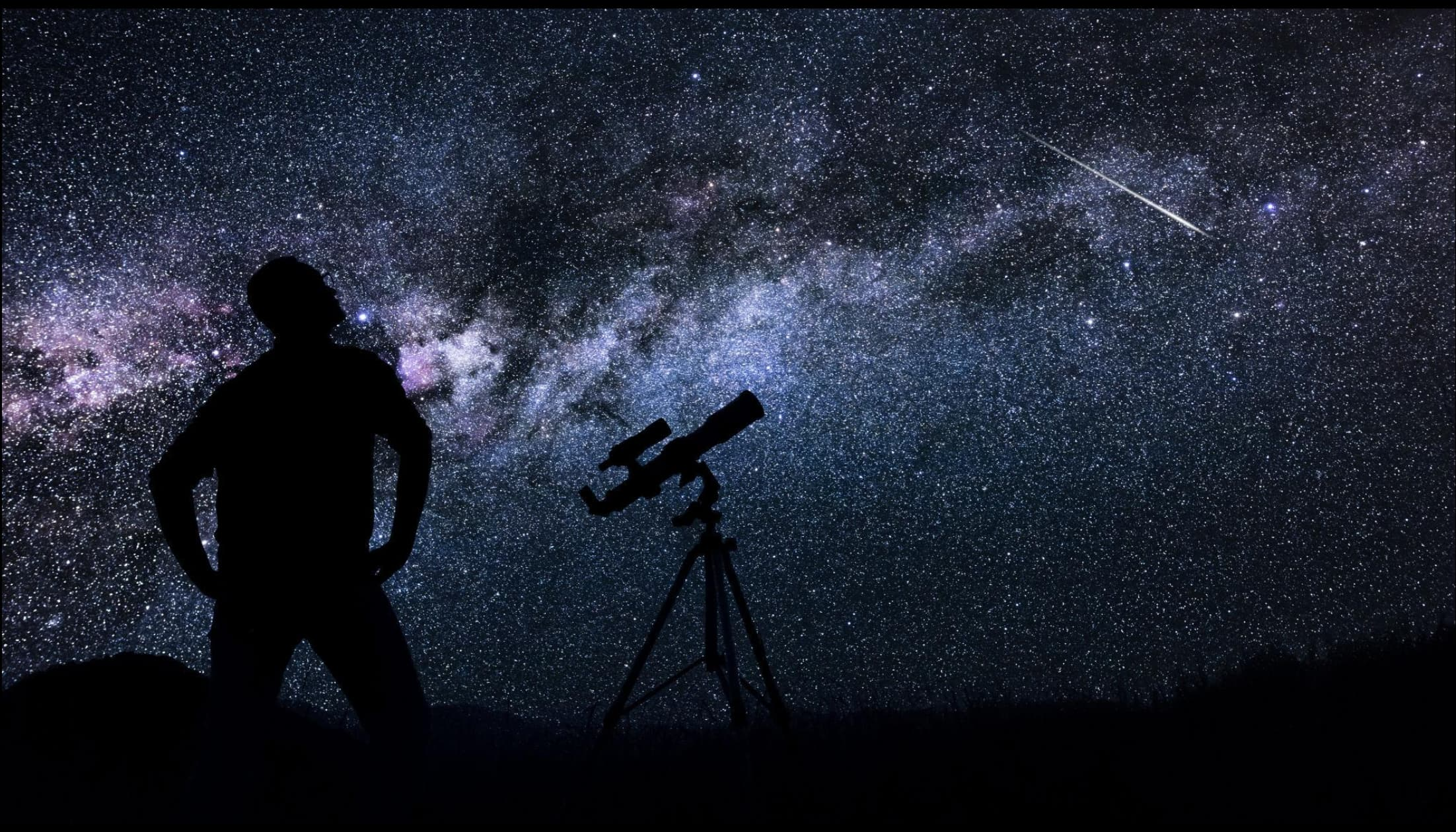
ما الذي يمكن أن يخبرنا به العلم عن الموت؟
# ما الذي يمكن أن يخبرنا به العلم عن الموت - وما الذي لا يمكنه إخبارنا به؟
*يُعدّ العلم أحد أقوى الأدوات التي نمتلكها لفهم العالم. لقد أحدث ثورة في الطب، ووسّع آفاق معرفتنا بالجسم، ومنحنا فهمًا حقيقيًا لبيولوجيا الموت. لكن للعلم حدود، والصدق بشأن هذه الحدود هو ما يتطلبه العلم الجيد في الواقع.*
—
## 1. لماذا هذا السؤال مهم؟
معظم الأشخاص الذين يصلون إلى هذا السؤال لا يطرحونه بشكل مجرد.
ربما أنت شخصٌ يهتم بالأدلة، ويحترم العلم، ويأخذ النظرة الطبيعية للكون على محمل الجد. ثم مات شخصٌ عزيزٌ عليك، وشيءٌ ما في داخلك رفض أن يُصنّف موته ببساطة على أنه "عملية بيولوجية مكتملة". كان الفراغ الذي تركه وراءه مختلفًا عما ينبغي أن يكون عليه الحال لو كان مجرد جزيئات تُعيد تنظيم نفسها. لقد رحل. وكان ذلك شعورًا مختلفًا عن أي شيء آخر اختبرته في حياتك.
أو ربما تواجه حقيقة فنائك - تشخيص مرض، أو عمر، أو لحظة هادئة في وقت متأخر من الليل - ويبدو أن التفسير العلمي للموت، مهما بلغت دقته، لا يمثل الإجابة الكاملة. إنه يخبرك عن الجسد، لكنه لا يخبرك عن *أنت*.
لا تهدف هذه المقالة إلى ثنيك عن العلم، بل إلى أخذ العلم على محمل الجد بما يكفي لطرح سؤال صادق حول ما يمكنه وما لا يمكنه إخبارنا به، ومتابعة هذا السؤال أينما قادنا.
—
## 2. ما يعتقده كثير من الناس
إنّ النظرة التي شكّلت جزءًا كبيرًا من الثقافة الغربية الحديثة هي ما يسميه الفلاسفة بالمادية أو المادية الجسدية: وهي فكرة أن كل شيء - بما في ذلك الوعي والذاكرة والحب والذات - هو في نهاية المطاف نتاج عمليات فيزيائية في الدماغ. عندما يتوقف الدماغ، يتوقف كل شيء. الموت هو النهاية.
هذا الرأي جادٌّ فكريًّا، ويتبنّاه كثيرٌ من المفكرين والمتأنّين. وكثيرٌ منهم لا يستهينون بالعبء العاطفي للموت، بل يؤمنون ببساطةٍ بضرورة تحمّل هذا العبء دون عزاءٍ كونيّ.
في الوقت نفسه، تُظهر الدراسات الاستقصائية باستمرار أن غالبية كبيرة من الناس حول العالم - بمن فيهم الكثير ممن لديهم تعليم علمي رفيع - يعتقدون أن جانبًا من جوانب الشخصية يستمر بعد الموت. وهذا ليس مجرد تمني أو جهل علمي، بل هو حدس راسخ عبر الثقافات والقرون ومستويات التعليم: أن الإنسان أكثر من مجرد بيولوجيته.
يعيش كثيرون آخرون بين هذين الموقفين - غير مقتنعين بأن الموت هو النهاية فحسب، لكنهم غير متأكدين من وجود بديل. إنهم بصراحة يتركون السؤال مفتوحاً.
إذا كنت تنتمي إلى تلك الفئة الأخيرة، فهذه المقالة مكتوبة خصيصاً لك.
—
## 3. ما يمكن أن يخبرنا به العلم وما لا يمكنه إخبارنا به
لنكن دقيقين - لأن هذا هو المكان الذي تسوء فيه الكثير من المناقشات الشائعة في كلا الاتجاهين.
**ما يُجيده العلم**
لقد باتت بيولوجيا الموت مفهومة بدقة مذهلة. فعندما يتوقف القلب وينقطع تدفق الدم المؤكسج إلى الدماغ، تبدأ الخلايا العصبية بالتلف في غضون دقائق. وسلسلة التحلل الخلوي التي تلي ذلك مفهومة جيداً. لقد وسّع الطب الحديث الحدود الفاصلة بين "الحي" و"الميت" إلى أبعد مما كان يُعتقد قبل قرن من الزمان، إذ يمكن إنعاش أشخاص كان يُعتبرون في السابق متوفين، في ظل الظروف المناسبة.
خضعت أنشطة الدماغ قرب لحظة الوفاة لدراسة دقيقة ومتزايدة. وقد وثّق الباحثون أنماط النشاط الكهربائي في اللحظات الأخيرة من الحياة، بما في ذلك، في بعض الحالات، ارتفاع مفاجئ في النشاط في الثواني التي تلي الوفاة السريرية. هذه النتائج حقيقية وذات أهمية علمية بالغة.
خضعت تجارب الاقتراب من الموت - وهي تقارير عن إدراكات حية لدى أشخاص تم إنعاشهم بعد توقف القلب أو خمول الدماغ السريري - لدراسة منهجية. وتظهر سمات مشتركة بين مختلف الثقافات: مشاعر سلام عميق، وحركة نحو النور، واستعراضات للحياة، وفي بعض الحالات ادعاءات بالوعي خلال فترات تأثر نشاط الدماغ بشدة. هذه التقارير ظواهر حقيقية، ويواصل الباحثون الجادون دراستها. وهي تثير تساؤلات جوهرية حول العلاقة بين الوعي والدماغ المادي، وهي تساؤلات لا تزال مطروحة.
**حيث يصل العلم إلى حدوده**
هنا يكمن الحد الصادق - وهنا تكمن أهمية الدقة.
*لا يستطيع العلم إثبات عدم وجود حياة بعد الموت.* إنّ الادعاء بأنّ "العلم أثبت أنّ الموت هو النهاية فحسب" ليس استنتاجاً علمياً، بل هو تفسير فلسفي يتجاوز ما يمكن أن تثبته الأدلة فعلياً.
*لا يستطيع العلم أيضاً إثبات وجود حياة بعد الموت.* إن تجارب الاقتراب من الموت هي ظواهر حقيقية تستحق الدراسة بعناية، لكنها لا تثبت في حد ذاتها أن الوعي يبقى بعد موت الجسد.
الموقف النزيه فكرياً - الموقف الذي يتبع العلم فعلاً - هو هذا: لم يحسم العلم بعد مسألة ما يحدث للإنسان بعد الموت. لقد منحتنا معرفة استثنائية بما يحدث للجسم، لكنها لم تجب على سؤال الذات.
لماذا لا؟ لأن أعمق الأسئلة حول الموت ليست في المقام الأول أسئلة تتعلق بالجسد. إنها أسئلة تتعلق بالوعي، والشخصية، والحب، والمعنى - أسئلة لم يُصمم علم الأحياء والفيزياء للإجابة عليها.
**المشكلة الصعبة للوعي**
يوجد بين الفلاسفة والعلماء الذين يدرسون العقل تحدٍ معترف به على نطاق واسع يسمى "المشكلة الصعبة للوعي".“
حتى لو استطعنا وصف كل إطلاق عصبي، وكل إشارة كهروكيميائية، وكل عملية فيزيائية في دماغ حي، فلن نكون قد شرحنا ذلك بعد. *لماذا* كل هذا يُؤدي إلى تجربة ذاتية. لماذا يوجد شيء ما؟ *يحب* أن تكون أنت؟ لماذا تشعر باللون الأحمر كإحساس محسوس بدلاً من كونه مجرد موجة يعالجها دماغك؟
ليست هذه فجوة صغيرة في معرفتنا، بل إن العلم على وشك سدّها. إنها لغز مفاهيمي عميق لا يزال الفلاسفة المتشددون وعلماء الإدراك من مختلف التوجهات الفكرية يأخذونه على محمل الجد باعتباره لغزًا حقيقيًا لم يُحل بعد. ويقرّ العديد من العلماء والمفكرين غير الملتزمين بأي انتماء ديني بأن الوعي لا يزال غير قابل للتفسير بشكل كافٍ بالعمليات الفيزيائية وحدها.
هذا الأمر مهمٌّ لمسألة الموت: إذا لم نفهم تمامًا ماهية الوعي أو كيف ينشأ، فلا يمكننا الجزم بأنه يتلاشى ببساطة عند توقف الدماغ. قد يكون هذا صحيحًا، ولكنه مجرد افتراض، وليس استنتاجًا علميًا مُثبتًا.
**ملاحظة حول فيزياء الكم**
هذا الأمر يتكرر كثيراً، لذا فهو يستحق رداً مباشراً: الادعاءات بأن ميكانيكا الكم "تثبت" أن الوعي يبقى بعد الموت - وأن عدم اليقين الكمي أو التشابك أو عدم الموضعية يثبت أن الروح ظاهرة كمية.
يُجمع الفيزيائيون العاملون في هذا المجال على أن ميكانيكا الكم، رغم غرابتها وعدم فهمها الكامل بعد، لا تُجيب على تساؤلات الوعي أو الحياة الآخرة. إن تطبيقها بهذه الطريقة غير سليم فكريًا، وغالبًا ما يأتي بنتائج عكسية على المتشككين الحذرين الذين يتابعون هذه الادعاءات، لأنها لا تصمد أمام التدقيق.
إذا قدم لك أحدهم الفيزياء الكمية كدليل على وجود الروح، فاستخدم نفس التدقيق النقدي الذي تستخدمه مع أي ادعاء آخر. فالأمانة الفكرية حق متبادل.
—
## 4. التجربة الإنسانية
وبعيداً عن الجدال، هناك التجربة نفسها - ما هو الشعور الحقيقي عندما يموت شخص تحبه.
الاحتجاج حقيقي. إن رد الفعل على الخسارة الكبيرة ليس مجرد حزن، بل هو أقرب إلى الغضب الشديد، وهو قناعة بأن *كان ينبغي ألا يحدث هذا*, أن شخصًا بهذه الأهمية يجب أن يبقى بيننا. ثمة شيء في قلب الإنسان يرفض استيعاب موت شخص عزيز باعتباره مجرد "عملية انتهت". وقد لاحظ المفكرون الماديون هذا الشعور دون أن يتمكنوا من تفسيره تفسيرًا كاملًا ضمن إطارهم الفكري.
**الفجوة بين المعرفة والشعور.** يجد العديد من الأشخاص ذوي الميول العلمية، في لحظة الفقدان الحقيقي، أن ما يعرفونه عن الخلايا العصبية وتلف الخلايا لا يُقدم الكثير في تلك اللحظة. ليس لأنه خاطئ، بل لأنه يُجيب على سؤال مختلف. فهم لا يسألون عن الدماغ، بل يسألون عن *ها* — الشخص الذي ضحك، وتذكرهم، وأحبهم، وهو الآن غائب بطريقة تبدو مختلفة تماماً عن أي غياب آخر.
لا تثبت هذه الردود أي شيء بحد ذاتها. لكنها تشير إلى أن التفسير المادي البحت قد يغفل جانبًا مهمًا من الصورة، وأن مسألة ماهية الشخص *يكون* يستحق أكثر مما يمكن أن توفره البيولوجيا وحدها.
—
## 5. ما تقوله المسيحية
لا تدعو المسيحية إلى التخلي عن التفكير العلمي، ولا تستشهد بتجارب الاقتراب من الموت أو الوعي الكمي كدليل على ذلك. فذلك من شأنه أن يُضعف الادعاء، ولا يعتمد العرض الجاد للقضية المسيحية على تكهنات علمية لا تصمد أمام التدقيق.
ما تدّعيه المسيحية أمرٌ محدد وتاريخي: أن يسوع الناصري - شخصية من القرن الأول الميلادي موثقة وجودها في مصادر مسيحية وغير مسيحية - مات مصلوبًا، ودُفن، ثم رآه شهود عيان كثر حيًا. وقد أُطلق هذا الادعاء مباشرةً بعد الأحداث من قِبل أناسٍ كان لديهم كل الأسباب لعدم اختلاقه، وواجهوا عواقب وخيمة لاعتناقه إياه.
هذا ليس ادعاءً حول تجارب الاقتراب من الموت أو أبحاث الوعي، بل هو ادعاء حول حدث تاريخي، يستدعي نفس النوع من الفحص النزيه الذي تخضع له أي ادعاء تاريخي جاد. لا يتطلب الأمر علماً لإثباته، ولا يطلب منك تعليق حكمك الفكري.
**يتكون الادعاء المسيحي بشأن الموت من ثلاثة أجزاء:**
*أولاً:* الموت حقيقةٌ وله أهمية. تتعامل المسيحية مع الموت بجدية تامة، لا باعتباره وهماً أو انتقالاً سهلاً، بل مأساة حقيقية. عندما وصل يسوع إلى قبر صديقه لعازر، وهو يعلم تماماً، وفقاً للرواية، ما كان مُقدماً عليه، يسجل إنجيل يوحنا ما يلي: *بكى.* تم التعبير عن الحزن على الموت، ولم يتم التقليل من شأنه أو تبريره.
*ثانية:* لم يكن الموت هو التصميم الأصلي. تُعلّم المسيحية أن أعمق مشكلة تواجه البشرية ليست مجرد الفناء البيولوجي، بل هي الانفصال عن الله. إن الغضب الذي نشعر به عند وفاة شخص ما ليس خطأً في معالجتنا العاطفية، بل هو إدراك لأمر لم يكن مقدراً له أن يكون. إن الاحتجاج على الفقدان يُشير إلى حقيقة ما.
*ثالث:* لقد تمّت معالجة موضوع الموت. الحدث المحوري في المسيحية هو الادعاء بأنّ قيامة يسوع لم تكن مجرد نجاة من الموت، بل كانت بمثابة إبطال له، وأنّ نوعًا جديدًا من الوجود أصبح ممكنًا، وجودًا لم يعد للموت سلطان عليه، وأنّ هذا الأمر يهمّ كلّ إنسان عاش على وجه الأرض. جوهر الإنجيل هو هذا: لقد تجلّى الله في يسوع المسيح ليُصلح الانفصال بين البشرية وخالقها، وليتحمّل كامل وطأة ما حدث من خلل، وليفتح الطريق للعودة إلى الحياة الحقيقية. هذه ليست نظرية أو استعارة روحية، بل هي حقيقة واقعة.
إن الرجاء المسيحي لا يقتصر على مجرد البقاء الشخصي بعد الموت.
الأمر يتعلق بإمكانية أن الحب نفسه لا يُدمر في نهاية المطاف.
إذا كانت قيامة يسوع حقيقية، فإن الموت ليس له الكلمة الأخيرة على الأشخاص الذين نحبهم - أو علينا.
إن صحة هذا الادعاء هي السؤال الجوهري الذي وُجد هذا الموقع لمساعدتك في دراسته. للاطلاع على مزيد من التفاصيل حول الأدلة التاريخية، انظر قيامة يسوع - هل هي صحيحة؟.
—
## 6. أسئلة قد لا تزال لديك
هل أثبت العلم عدم وجود حياة بعد الموت؟
كلا. إنّ مقولة "أثبت العلم أن الموت هو النهاية فحسب" هي استنتاج فلسفي، وليست نتيجة تجريبية. يصف العلم ما يحدث للجسم، لكنه لم يحدد - ولا يمكنه تحديد - ما يحدث للإنسان. تبقى معضلة الوعي العويصة دون حلٍّ حقيقي، ويقرّ بذلك صراحةً المفكرون المتعمقون من مختلف التوجهات الفكرية.
هل تُثبت تجارب الاقتراب من الموت وجود حياة بعد الموت؟
تُعدّ تجارب الاقتراب من الموت ظاهرة حقيقية، خضعت لدراسات واسعة، وتثير تساؤلات جوهرية حول الوعي، تساؤلات تستحق اهتمامًا صادقًا بدلًا من تجاهلها أو المبالغة في تفسيرها. ولا تُشكّل هذه التجارب، في حد ذاتها، دليلًا قاطعًا على أن الوعي يبقى بعد الموت. ويمكن للمفكر المسؤول أن يأخذها على محمل الجد، مع بقائه في حالة من عدم اليقين بشأن معناها الحقيقي.
أليس الوعي مجرد دماغ؟
هذا تحديدًا ما لا يزال دون حل. لدينا معرفة تفصيلية بعمليات الدماغ، لكن ما ينقصنا هو تفسير لسبب نشوء التجربة الذاتية من هذه العمليات أصلًا، أي لماذا هي موجودة بالفعل. *يحب* أن يكون كائناً واعياً. لا يزال العديد من علماء الأعصاب والفلاسفة غير الملتزمين بأي انتماء ديني يعتبرون هذا سؤالاً مفتوحاً حقاً. "الوعي هو مجرد الدماغ" هو الافتراض السائد في العلوم المعاصرة، ولكنه مجرد افتراض، وليس استنتاجاً نهائياً.
هل يمكن لعالم أو متشكك أن يفكر بجدية في الحياة بعد الموت؟
نعم. لا تتطلب النزاهة الفكرية تجاهل السؤال، بل تتطلب تتبع الأدلة بأمانة، بما في ذلك الصدق في تحديد حدودها. يرى العديد من العلماء والفلاسفة المتأنّين أن الوعي قد لا يُفسَّر بالكامل بالعمليات الفيزيائية، وأنّ مسائل البقاء الشخصي تستحق دراسة جادة بدلاً من تجاهلها. إنّ تتبع الأدلة بدقة هو جوهر النزاهة الفكرية.
**ماذا عن فيزياء الكم والروح؟**
طبّق هنا نفس المعيار النقدي المطبق في أي مكان آخر. ميكانيكا الكم هي فيزياء حقيقية وغريبة بالفعل. لكنها لا تُثبت أي شيء عن الوعي أو الحياة الآخرة. الادعاءات التي تُثبت ذلك غير مُبررة، ومعظم الفيزيائيين العاملين في هذا المجال لا يُؤيدون مثل هذه التفسيرات. الالتزام بالعلم يعني تطبيق تدقيق مُستمر، بما في ذلك على الادعاءات المُصاغة بلغة علمية.
—
## 7. أهم النقاط
– إن عبارة "لقد أثبت العلم أن الموت هو النهاية" ليست استنتاجاً علمياً. إنه تفسير فلسفي يتجاوز ما يمكن أن تثبته الأدلة. أما الموقف العلمي النزيه فهو: لا نعلم ما يحدث للشخص بعد موته.
– لا تزال مشكلة الوعي الصعبة دون حل حقيقي. لا نملك تفسيراً علمياً كاملاً لسبب نشوء التجربة الذاتية من العمليات الفيزيائية. وهذا ما يُبقي مسألة البقاء الشخصي مفتوحةً على مصراعيها.
– **تجارب الاقتراب من الموت ظواهر حقيقية تستحق أن تؤخذ على محمل الجد** لكنها لا تُشكّل دليلاً على وجود حياة بعد الموت. تجنّب المبالغة في الادعاءات وتجاهلها.
– **لا تثبت الفيزياء الكمية وجود الروح أو الحياة الآخرة.** ينطبق هنا نفس المعيار الفكري كما هو الحال في أي مكان آخر.
– إن الادعاء المسيحي تاريخي وليس علمياً. إنها الادعاء بأن يسوع الناصري مات وأفاد شهود عيان بأنه كان على قيد الحياة بعد ذلك بوقت قصير - وهو ادعاء يستدعي دراسة تاريخية، وليس قياسًا معمليًا.
– **جوهر الإنجيل:** تُعلّم المسيحية أن أعمق مشكلة تواجه البشرية هي الانفصال عن الله، وأن الله تجلّى في يسوع المسيح ليُزيل هذا الانفصال. إن القيامة ليست مجرد استعارة روحية، بل هي حقيقة واقعة لها تبعات على كل إنسان.
– **الالتزام العلمي والانفتاح على الإيمان المسيحي أمران متوافقان.** لقد وجد العديد من المفكرين المتأنين أن اتباع الأدلة بصدق - بما في ذلك الأدلة على القيامة - قادهم إلى مكان لم يتوقعوه.
—
## 8. واصل رحلتك
على حدود ما يمكن أن يخبرنا به العلم عن الموت، يبقى السؤال الأهم بلا إجابة. إذا كنت ترغب في مواصلة البحث، فإليك الخطوات الطبيعية التالية.
### استكشف المقالات ذات الصلة
– هل الموت هو النهاية؟ — استكشاف أوسع لما يقوله العلم والفلسفة والمسيحية عن الموت ومعناه — للقراء الذين يريدون الصورة الكاملة قبل التركيز على خيط واحد.
– لماذا يخشى البشر الموت؟ — للقراء الذين يرغبون في فهم البُعد العاطفي قبل البُعد الفكري. غالباً ما يترافق الخوف من الموت مع التساؤلات حوله.
– ماذا تقول المسيحية في الواقع عن الموت؟ — الرؤية المسيحية الكاملة: الموت، والقيامة، والدينونة، والنعمة، وما وراء ذلك — شرح واضح وصادق.
– قيامة يسوع - هل هي صحيحة؟ — الحجة التاريخية للحدث الذي تقول المسيحية إنه يغير كل شيء. هنا يلتقي المنطق العلمي في البحث عن الأدلة مع الادعاء المسيحي بشكل مباشر.
– ماذا يأتي بعد الموت؟ الحساب، والرحمة، والأبدية — ما تعلمه المسيحية عن ما يكمن وراء الموت — بما في ذلك النعمة التي يؤمن المسيحيون بأنها متاحة للجميع.
### تحدث إلى شخص ما
كثير من الناس الذين يطرحون أسئلة حول العلم والموت يحملون في طياتهم شيئًا شخصيًا. قد يتبادر إلى أذهانهم سؤال فكري وسؤال يتعلق بالحزن في آن واحد، متشابهين في مضمونهما.
إذا كنت ترغب في مواصلة الاستكشاف دون القيام بذلك بمفردك، فإن لدينا **مساعد باحث في مجال الذكاء الاصطناعي** متاح. يبدأ العديد من الزوار بأسئلة حول الوعي وحدود العلم، ثم ينتقلون تدريجياً إلى أسئلة أعمق حول الله، والمعنى، والمغفرة، والأمل. ومن بين الأسئلة التي يطرحها الناس في الحوار:
– هل نفى العلم فعلاً وجود حياة بعد الموت؟
– ماذا يقول الفلاسفة الجادون عن الوعي والموت؟
– كيف أفكر في هذا الأمر بصدق دون أن أكون ساذجاً أو متجاهلاً؟
– هل يمكنني الالتزام بالأدلة وفي الوقت نفسه أن أكون منفتحاً على الإيمان؟
- ماذا يعني ذلك إذا كانت قيامة يسوع حقيقة واقعة؟
يمكنك الاستكشاف على مهل. لا ضغط. لا التزام. مجرد حوار صريح.
إذا كنت تفضل التحدث مع شخص حقيقي - قس أو مستشار - فنحن هنا.
—
*هذه المقالة جزء من مكتبة موارد دراسة ما بعد الموت. كُتبت للأشخاص الذين يطرحون أسئلة صادقة حول الموت والحياة والمعنى، بغض النظر عن نقطة انطلاقهم. لا يُقصد بأي شيء هنا الضغط أو الإكراه. أنت المسؤول عن استكشافك الخاص.*