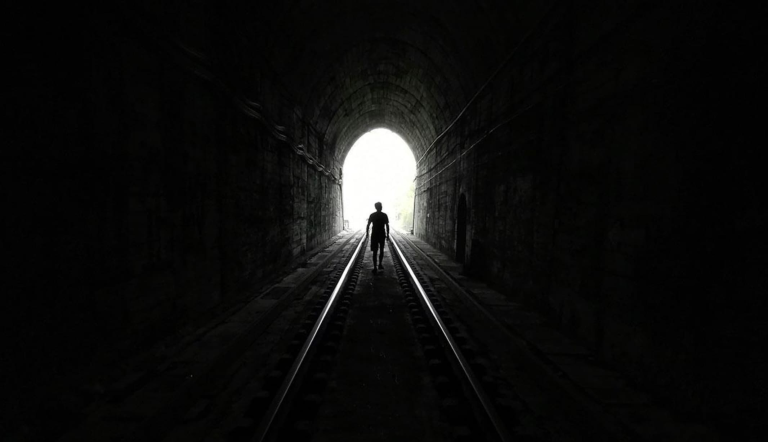

Qual o significado do sofrimento?
# Qual o significado do sofrimento?
*O sofrimento é uma das questões mais honestas que uma pessoa pode abordar. Este não é um espaço para respostas fáceis. É um espaço para levar o sofrimento a sério — para analisar honestamente o que sabemos, o que não sabemos e o que, se houver algo, oferece uma base genuína para a esperança.*
—
## 1. Por que esta pergunta é importante
A maioria das pessoas que se deparam com essa questão não o fazem por mera curiosidade filosófica.
Eles vêm por causa de algo específico. Uma criança que morreu. Um diagnóstico que mudou tudo. Uma perda que não fazia sentido na época e ainda não faz sentido agora. Anos de dor crônica que ninguém conseguia explicar. Ver alguém que amavam sofrer lentamente, de uma forma que parecia profundamente injusta.
Ou talvez a questão se apresente de outra forma — como a barreira intelectual que se interpõe entre uma pessoa e a crença. Se existe um Deus que é bom e todo-poderoso, por que o sofrimento existe nessa escala? Por que os inocentes sofrem? Por que o mal fica impune com tanta frequência enquanto os fiéis sofrem? Essa é a objeção mais antiga à fé religiosa e merece ser analisada com seriedade, em vez de ser descartada.
Essas duas chegadas — a pessoal e a filosófica — levam ao mesmo lugar: a questão de saber se o sofrimento tem algum significado, ou se é simplesmente o ruído de um universo indiferente.
Este artigo não lhe dará uma resposta definitiva. Ele tentará refletir sobre a questão e apontar honestamente para as descobertas de pessoas sérias a respeito dela.
—
## 2. O que muitas pessoas acreditam
Os seres humanos tentaram dar sentido ao sofrimento em todas as culturas e épocas, e as respostas que encontraram se enquadram em alguns padrões gerais — cada um com algo de genuíno e cada um com um ponto em que falha.
**O sofrimento é aleatório.** Numa visão naturalista do universo, o sofrimento não é punição, lição ou mensagem — é simplesmente o que acontece quando processos físicos colidem sem uma intenção orientadora. Células se dividem incorretamente. Pontes desabam. Corpos falham. Isso é intelectualmente honesto, de certa forma. Mas para a maioria das pessoas que sofreram profundamente, a resposta "é apenas ruído" não resolve nada — aprofunda o vazio. Se o sofrimento não tem sentido, surge a questão de se algo tem sentido.
**O sofrimento é uma lição ou um teste.** Muitas pessoas instintivamente sentem que o sofrimento deve ter um propósito — que ele forja o caráter, ensina algo ou leva a algum lugar. Há algo de real nisso: muitas pessoas realmente emergem do sofrimento com uma profundidade que não teriam de outra forma. Mas essa resposta falha nos casos mais importantes. A criança que morre jovem. A pessoa cujo trauma não a torna mais forte, mas a fere permanentemente. As populações destruídas por atrocidades. "Isso vai te tornar mais forte" não consegue abarcar todo o peso do que o sofrimento humano realmente representa.
**O sofrimento é um castigo.** Essa ideia está profundamente enraizada na história religiosa da humanidade: a noção de que as pessoas sofrem por causa do que fizeram ou do que seus ancestrais fizeram. Ela tem o apelo da ordem cósmica: o mal é punido, o bem é recompensado. Mas desmorona completamente diante do sofrimento dos inocentes. A maioria das tradições religiosas honestas teve que lidar com essa falha. O próprio Jesus, ao ser questionado se um cego de nascença havia pecado ou se seus pais haviam pecado, respondeu diretamente: nenhum dos dois.
**Incerteza genuína.** Muitas pessoas não defendem nenhuma dessas visões com firmeza. Consideram a explicação materialista de que "é apenas ruído" insatisfatória, mas não estão dispostas a interpretar seu sofrimento como uma lição ou aceitá-lo como um castigo. Mantêm a questão em aberto, carregando-a como um fardo sem resposta.
Se essa última descrição se encaixa em você, saiba que está em boa companhia.
—
## 3. O que a ciência pode e não pode nos dizer
A ciência nos deu uma explicação notável sobre por que o sofrimento existe, de uma perspectiva biológica e evolutiva — e é honesta sobre onde essa explicação termina.
**O que a ciência explica bem:**
A dor, em sua essência biológica, é um sistema de alerta. A capacidade de sofrer evoluiu porque as criaturas que conseguiam detectar danos em seus corpos e reagir a eles sobreviviam melhor do que aquelas que não conseguiam. A dor crônica — embora frequentemente incapacitante — ocorre quando esse sistema de alarme apresenta mau funcionamento ou não pode ser desligado. A neurociência do luto mapeia como o cérebro processa a perda, por que a dor social ativa as mesmas regiões cerebrais que a dor física e como o trauma remodela as vias neurais.
A psicologia documentou cuidadosamente como as pessoas reagem ao sofrimento — quais estratégias de enfrentamento levam à recuperação, quais levam a danos prolongados e quais condições parecem permitir que as pessoas encontrem significado mesmo em meio à adversidade mais severa. Viktor Frankl, um psiquiatra que sobreviveu aos campos de concentração nazistas, descreveu a capacidade humana de encontrar significado mesmo no sofrimento mais extremo como um dos recursos mais profundos que uma pessoa pode utilizar. Suas observações não nasceram de um laboratório, mas sim da experiência de testemunhar o sofrimento em sua forma mais extrema.
**Onde a ciência encontra seu limite:**
A ciência pode descrever *como* O sofrimento funciona. Não pode responder *por que* Ela existe em um sentido último — tenha ela um propósito, seja ela bem-sucedida, seja ela duradoura.
A conclusão naturalista, se levada às últimas consequências, é a seguinte: o sofrimento é real, muitas vezes terrível e, em última análise, sem significado cósmico. É o preço de viver em um universo físico sem autor e sem prestação de contas final. Essa é uma posição coerente. Mas deixa várias coisas sem explicação.
Primeiro: a sensação humana universal de que o sofrimento é *errado* — não apenas desagradável, mas injusto. Se o universo é simplesmente um conjunto de processos físicos que ocorrem sem intenção, a injustiça que sentimos diante do sofrimento é difícil de explicar. Não se trata apenas de desconforto. É indignação moral. Algo nos seres humanos insiste que os inocentes não devem sofrer — e essa insistência aponta para algo mais do que uma mera preferência biológica.
Segundo: a questão do que nos é devido. Num universo puramente físico, ninguém tem direito a nada por parte do cosmos. Mas os seres humanos, em todas as culturas, comportam-se como se tivessem — como se a justiça importasse, como se as pessoas tivessem um valor que não pode ser anulado pelas circunstâncias ou pelo poder. De onde vem essa convicção e o que significa?
A ciência pode descrever o sistema de alarme. Mas não pode responder à questão de saber se o alarme está apontando para algo real.
—
## 4. A Experiência Humana
Além das discussões, existe o que o sofrimento realmente é. *é* Viver isso — e o que isso revela sobre nós.
**O protesto não é opcional.** Quando alguém que amamos morre de uma forma que parece errada, a reação não é apenas tristeza. É algo mais próximo da indignação — a sensação de que isso não deveria ter acontecido, que uma pessoa tão importante deveria estar viva, que algo foi roubado do mundo. C.S. Lewis, escrevendo em seu diário após a morte de sua esposa, descreveu o luto não como tristeza, mas como “medo e suspense” — algo mais próximo do terror do que de um luto sereno. O protesto não se atenua quando solicitado. E resiste a ser considerado irracional.
**A busca por significado persiste.** Mesmo entre pessoas sem crença religiosa, o impulso de encontrar alguma forma de dar sentido ao sofrimento — de situá-lo dentro de uma narrativa maior, de sentir que ele não foi totalmente em vão — é quase universal. As pessoas querem que seu sofrimento tenha algum significado. Querem que suas perdas importem. Esse impulso não desaparece quando lhes dizem que o universo é indiferente; simplesmente se torna mais difícil de satisfazer.
**O que o sofrimento revela sobre as pessoas.** O fato de os seres humanos protestarem contra a injustiça, exigirem significado, vivenciarem o luto em diferentes culturas e insistirem que as pessoas têm valor independentemente do que lhes aconteça — isso não é uma característica trivial da nossa psicologia. Sugere que as pessoas se compreendem como possuidoras de uma espécie de dignidade que meros processos físicos não conseguem explicar completamente. Se somos apenas corpos, não fica claro por que o fim da vida deveria ser sentido como uma injustiça que exige uma resposta.
—
## 5. O que o cristianismo diz
O cristianismo não começa com uma explicação do sofrimento. Começa com a recusa em explicá-lo e ignorá-lo.
**O cristianismo não minimiza o sofrimento.** A dor é levada muito a sério. As escrituras cristãs estão repletas de sofrimento profundo, clamores não atendidos e ira dirigida a Deus. Os Salmos incluem linguagem que soaria chocante em muitos contextos religiosos — “Até quando, Senhor? Esquecer-te-ás de mim para sempre?”. Jó, um dos textos mais antigos da Bíblia, é a história de um homem que sofreu catastroficamente sem ter culpa alguma, argumentou com Deus sobre isso e não foi silenciado nem corrigido por sua honestidade. Deus respondeu a Jó — mas não com uma explicação. A questão não respondida do sofrimento não desqualifica uma pessoa da presença de Deus.
**A afirmação cristã sobre o sofrimento tem três partes:**
*Primeiro:* O sofrimento não fazia parte do projeto original. O cristianismo ensina que a desordem, a perda e a dor que vivenciamos no mundo não são o que deveriam ser — que algo fundamental deu errado na relação entre a humanidade e seu Criador, e que o sofrimento que enfrentamos é, em parte, consequência dessa ruptura. A indignação que sentimos diante do sofrimento não é um erro em nosso processamento emocional. É o reconhecimento de uma ferida real — o protesto de seres criados para algo melhor do que isso.
*Segundo:* Deus não permaneceu distante do sofrimento humano. O evento central do cristianismo — a encarnação, a vida de Jesus e, especialmente, a cruz — é a afirmação de que Deus entrou na experiência humana do sofrimento, não como um observador, mas de dentro para fora. Quando Jesus chegou ao túmulo de seu amigo Lázaro, o Evangelho de João registra simplesmente: *Ele chorou.* E quando morreu numa cruz romana, clamou na linguagem do abandono: Meu Deus, meu Deus, por que me abandonaste? Este não é o clamor de um homem que tinha todas as respostas. É o clamor de Deus entrando na desolação. Seja qual for o significado da cruz, ela significa que os piores momentos da experiência humana — aqueles em que nos sentimos mais abandonados por Deus — não são lugares onde Deus nunca esteve.
*Terceiro:* O sofrimento não tem a palavra final. O Evangelho, em sua essência, é este: Deus agiu em Jesus Cristo para curar a ruptura entre a humanidade e seu Criador — para absorver todo o peso do que deu errado e abrir um caminho através da morte para a vida. A ressurreição de Jesus não é uma metáfora para recuperação ou resiliência. É a afirmação de que a morte não foi o fim daquele que mais sofreu — e que isso importa para todo ser humano que já sofreu, lamentou ou morreu.
A esperança cristã não se baseia na explicação do sofrimento.
Baseia-se na premissa de que o sofrimento não é o fim — e que aqueles que sofreram não foram esquecidos, não foram apagados e não estão além do alcance da restauração.
Essa é uma afirmação ousada. Merece uma análise honesta, não uma aceitação fácil. A veracidade dessa afirmação é a questão que este site se propõe a ajudar você a explorar. O ponto de partida para essa análise é A Ressurreição de Jesus — Será que se sustenta?.
—
## 6. Dúvidas que você ainda possa ter
**Por que Deus permite que crianças inocentes sofram?**
Esta é a pergunta mais difícil — e nenhum artigo consegue abordá-la completamente. O que se pode dizer honestamente é que a tradição cristã não afirma conhecer a razão específica de qualquer sofrimento em particular. Ela afirma que o sofrimento é uma ferida real em um mundo que não é como deveria ser, que Deus entrou nessa ferida em Cristo e que a justiça — a verdadeira, final e completa justiça — pertence somente a Deus. As escrituras cristãs descrevem consistentemente Deus como profundamente justo e profundamente misericordioso. Esses atributos não estão em conflito; eles convergem na cruz e na ressurreição. Mas eles não resolvem a angústia de um pai junto ao túmulo de um filho. Essa angústia é real, e nenhuma doutrina deveria fingir o contrário.
**O sofrimento é um castigo pelo pecado?**
Não — não no sentido direto e automático que a maioria das pessoas usa ao fazer essa pergunta. Jesus rejeitou explicitamente a equação entre o sofrimento de uma pessoa e o seu pecado (João 9:1-3). A tradição cristã ensina que a fragilidade do mundo está ligada à ruptura mais ampla da humanidade com Deus — mas isso é muito diferente de afirmar que o seu sofrimento específico é o seu castigo específico. Essa afirmação não encontra respaldo nas Escrituras e aplicá-la a pessoas que estão sofrendo causa danos reais.
**O sofrimento pode ter algum significado?**
Às vezes, e nem sempre, de maneiras que podem ser vistas no momento. A resposta cristã não é que o sofrimento produza automaticamente um significado — mas que o significado pode, por vezes, ser encontrado dentro do sofrimento, e que nada está além da capacidade de redenção de Deus. Isso não justifica o sofrimento nem exige que ele seja acolhido. Significa que o sofrimento pode ser acolhido, suportado e inserido em uma narrativa maior sem ser desperdiçado.
**Deus se importa com o meu sofrimento?**
A cruz diz que sim. Não de uma forma que impeça o sofrimento — claramente não impede —, mas no sentido de que a resposta de Deus ao sofrimento humano não foi o distanciamento ou a explicação. Foi a encarnação. Deus escolheu entrar no sofrimento em vez de observá-lo. Se essa resposta é suficiente, só você pode julgar. Mas não é uma rejeição.
**É errado sentir raiva de Deus?**
Não. Os Salmos estão repletos de ira contra Deus e fazem parte das escrituras cristãs. A ira dirigida a Deus não é apostasia — é relacionamento. A pessoa que está irada com Deus não abandonou o diálogo; ela está nele, intensamente. Jó argumentou com Deus e não foi condenado por isso. A porta não está fechada para aqueles que chegam com raiva. Ela está escancarada para eles.
—
## 7. Principais conclusões
– **Não há respostas fáceis.** Este artigo não afirma que o sofrimento faça sentido, que seja uma lição ou que Deus esteja testando você. Essas respostas são insuficientes para descrever o que o sofrimento realmente é.
– **A ciência explica o mecanismo do sofrimento, não o seu significado.** A biologia explica por que a dor existe como um sistema de alarme. Ela não consegue explicar a indignação moral que sentimos diante do sofrimento injusto — ou se essa indignação aponta para algo real.
– **O protesto contra o sofrimento não é irracional.** A convicção humana universal de que o sofrimento dos inocentes é *errado* — não meramente infeliz — sugere que as pessoas se compreendem como portadoras de uma dignidade que os processos físicos por si só não conseguem explicar.
– **O cristianismo não elimina o sofrimento.** Leva o sofrimento muito a sério — incluindo o silêncio de Deus, o clamor sem resposta e a pessoa que sofre sem motivo aparente.
– **A cruz não é primordialmente um símbolo de triunfo.** É a afirmação de que Deus escolheu entrar no sofrimento humano — que os piores momentos da experiência humana não são lugares onde Deus nunca esteve.
– **O Núcleo do Evangelho:** O cristianismo ensina que o sofrimento do mundo está ligado a uma ruptura real entre a humanidade e seu Criador — e que Deus agiu em Jesus Cristo para curar essa ruptura, absorvendo todo o seu peso. A ressurreição é a afirmação de que o sofrimento e a morte não são a palavra final.
– **Você não precisa resolver essas questões antes de poder compartilhar sua dor.** Diz a tradição que Deus não tem medo da sua raiva, da sua dúvida ou da sua tristeza. A porta está aberta exatamente como você é.
—
## 8. Continue sua jornada
O sofrimento não é uma questão que se resolve numa única sessão — e não é algo que você deva carregar sozinho. Se este artigo foi útil, aqui estão os próximos passos naturais.
### Explore artigos relacionados
– A morte é o fim? — Para leitores cujo sofrimento está ligado à perda — e que se perguntam se a pessoa que morreu simplesmente se foi. Explora o significado da morte e se o amor a transcende.
– O que a ciência pode nos dizer sobre a morte? — Uma análise mais aprofundada de onde a explicação científica da experiência humana atinge seu limite honesto. Contexto útil para as questões levantadas neste artigo.
– O que o cristianismo realmente diz sobre a morte? — O quadro cristão completo: morte, ressurreição, julgamento, graça e a esperança que reside além do sofrimento e da perda.
– A Ressurreição de Jesus — Será que se sustenta? — Se você quiser examinar a afirmação histórica central da esperança cristã — o evento que, segundo o cristianismo, transforma o significado do sofrimento e da morte.
– O que vem depois da morte? Julgamento, graça e eternidade. — O que o cristianismo ensina sobre justiça, restauração e a resposta definitiva para tudo o que o sofrimento destruiu.
### Fale com alguém
Muitas pessoas que se deparam com a questão do sofrimento não estão, primordialmente, em busca de informação. Elas carregam algo que precisam expressar em algum lugar.
Se você quiser continuar explorando sem estar sozinho, nosso **Assistente de Pesquisa em IA** Está disponível. Os visitantes trazem todos os tipos de perguntas, incluindo:
– Como posso acreditar em Deus depois de tudo o que passei?
– É errado sentir raiva de Deus?
— Deus causou isso ou permitiu? E essa diferença importa?
– Como posso conviver com um sofrimento que parece não ter sentido?
– Existe alguma esperança para alguém que perdeu tudo?
Você é bem-vindo(a) a vir como você é. Não é necessário se apresentar. Não se espera nenhuma certeza.
Se você está de luto, ou se prefere conversar com uma pessoa real — um pastor ou conselheiro — estamos aqui.
—
*Este artigo faz parte da biblioteca de recursos do Estudo Após a Morte. Ele foi escrito para pessoas que estão fazendo perguntas honestas sobre a morte, o sofrimento e o sentido da vida — independentemente do seu ponto de partida. Nada aqui tem a intenção de pressionar ou coagir. Se você estiver em crise ou tiver pensamentos suicidas, entre em contato imediatamente com uma linha de ajuda para crises ou com os serviços de emergência.*